Personalized Cabinets: Upgrade Your Home's Aesthetic
Custom cabinets act as a key element in residential aesthetics. They provide tailored solutions that not only optimize storage but also improve the visual appeal. By incorporating distinctive elements and premium materials, these cabinets reflect personal taste and deliver useful performance. The craftsmanship involved ensures longevity, making them a valuable investment. As homeowners aim to elevate their environments, comprehending the advantages and choices at hand is crucial for well-considered choices. What opportunities await in your home?
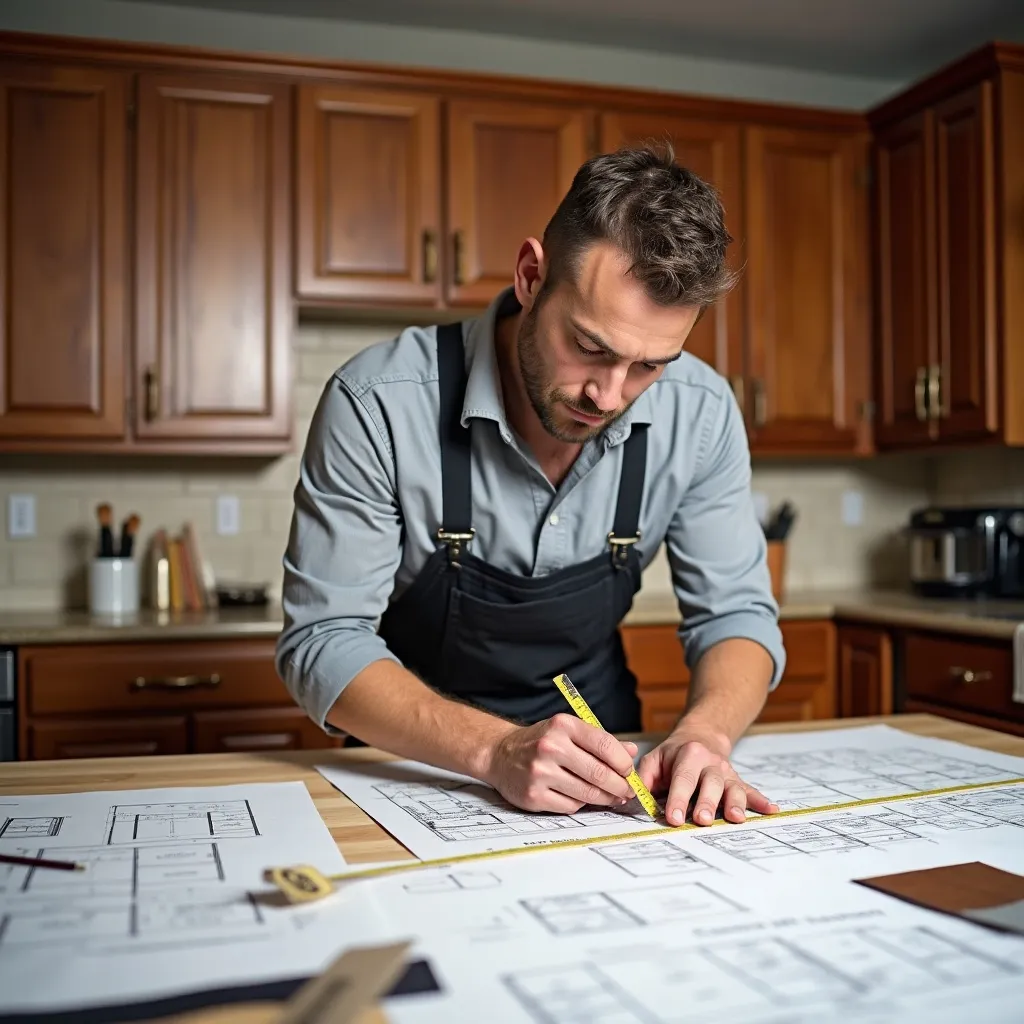
The Exceptional Advantages of Tailored Cabinets
When considering cabinet choices, property owners often discover that custom cabinets deliver clear benefits that pre-made alternatives cannot match. One of the primary benefits is the ability to customize layouts to particular sizes and configurations, guaranteeing optimal utilization of space. This personalization enables for distinctive elements, such as specialized shelving or integrated appliances, that enhance both performance and aesthetics.
Furthermore, custom cabinets provide a wider selection of fabric choices, allowing property owners to select high-quality woods, treatments, and fixtures that reflect their individual style. This degree of personalization extends to design elements, such as detailed trim and distinctive door styles, which can convert a culinary space or bath into a cohesive, polished space.
In addition, custom cabinets typically showcase superior craftsmanship, leading to improved strength and lifespan. Such quality often results in reduced maintenance and replacement needs over time, making them a smart choice for selective homeowners looking to create a lasting impression.
Why Custom Cabinets Add Value to Your Home
Custom cabinets substantially enhance a home's market appeal by creating customized designs that interest prospective homebuyers. Their capacity to optimize usable areas boosts usability, making homes more desirable to families and individuals alike. Moreover, timeless aesthetic elements promise that these cabinets stay stylish and current, further increasing a property's overall value.
Strategic Space Maximization
The draw of a home extends past its visual charm; functionality plays an important role in enhancing overall value. Custom cabinets provide bespoke solutions that maximize available space, transforming areas that might otherwise be overlooked. By adding innovative storage options, such as pull-out shelves and built-in organizers, homeowners achieve a organized look while maintaining practicality. This enhancement not only improves daily living but also boosts the property's marketability. When potential buyers observe well-designed cabinetry that suits their storage needs, they are more likely to recognize the home's overall functionality. Hence, custom cabinets become an investment in both aesthetics and utility, ultimately raising the property's worth in a competitive real estate market.
Enduring Compositional Elements
How do ageless design features impact a home's appeal? Custom cabinets showcase these elements, flawlessly blending purpose with classic style. By adding classic features such as raised panels, crown molding, and heritage fixtures, these cabinets elevate a home's visual appeal while enhancing its overall value. Their versatile designs can fit various architectural styles, establishing a cohesive look throughout the space. Additionally, the use of high-quality materials promises longevity, making them a worthwhile investment. Custom cabinets not only offer utility but also express a homeowner's distinctive flair, adding character and warmth to spaces. Ultimately, their presence can notably enhance a property's marketability, appealing to potential buyers who appreciate craftsmanship and timeless elegance.
Custom Visual Presentations and Treatments
In the scope of custom cabinets, finish options and design elements play an key role in achieving a personalized aesthetic. Current trends showcase a variety of popular styles, while an overview of material finishes highlights the options available to homeowners. These elements provide for significant personalization, ensuring that each cabinet reflects individual taste and complements the overall design of the space.
Widely-Adopted Design Tendencies
As property owners aim to design distinctive home environments, popular design trends in bespoke cabinetry continue to evolve, reflecting individual tastes and needs. Minimalist designs are becoming more popular, marked by clean lines and functional forms. On the other hand, classic approaches remain timeless, often featuring elaborate embellishments and deep wood hues. Mixing materials, such as blending wood alongside metal or glass, has become increasingly popular, bringing visual interest and depth. Additionally, dual-color cabinet designs offers a contemporary twist, allowing homeowners to express creativity by contrasting colors and finishes. Exposed shelves is also in demand, providing a functional method to showcase decorative items while maintaining an airy feel. Overall, these trends highlight a balance between practicality, visual appeal, and personal expression in residential aesthetics.
Material Finishes Introduction
Material finishes are instrumental in forming the overall visual and functional character of custom cabinets. Choices range between natural wood grains to sleek, modern laminates, each furnishing distinct characteristics. Wood finishes can feature stains that reveal the grain or paints that achieve consistent coloring, serving various design preferences. Meanwhile, metal finishes, such as brushed nickel or matte black, present a contemporary edge, especially in urban settings. Textured finishes, like distressed or reclaimed wood, impart depth and character, resonating with rustic styles. Additionally, eco-friendly finishes are steadily rising in favor, promoting sustainable design trends. Ultimately, the selection of material finishes not only uplifts the visual appeal but also governs durability and maintenance requirements of custom cabinetry.
Tailoring Preferences At Your Disposal
There is a broad selection of personalization options available for custom cabinets, letting homeowners to customize designs according to their unique tastes and needs. From contemporary to traditional styles, homeowners can pick various shapes, sizes, and configurations that best suit their spaces. Finishes are crucial; options range from sleek gloss to rustic matte, with many color palettes to boost any interior. Hardware choices, including knobs and pulls, further customize the look, adding character and functionality. Additionally, unique features like built-in lighting, adjustable shelving, and specialized compartments meet individual preferences. This level of personalization not only improves the aesthetic but also assures that cabinets serve their intended purpose efficiently, harmonizing with the overall home design.
Clever Organization Methods in Custom Cabinets
When space is at a premium, custom cabinets offer creative smart storage solutions that maximize usability without sacrificing design. These cabinets can be tailored to include features such as pull-out shelves, hidden compartments, and built-in organizers, making it easier to keep spaces uncluttered. For kitchens, options like lazy Susans and pull-down racks enhance accessibility while optimizing corner spaces that often go unused. In living areas, custom cabinets can incorporate media centers with cable management solutions, keeping electronics neat and tidy. Additionally, the integration of vertical storage options allows homeowners to make the most of ceiling height, further increasing storage capacity. By combining aesthetic appeal with practical design, custom cabinets transform everyday spaces into organized havens, ensuring that each item has its place. This thoughtful approach to storage not only elevates the functionality of a home but also contributes to its overall visual harmony.
Which Components Are Ideal for Your Bespoke Cabinets?
Selecting the appropriate options for custom cabinets significantly affects both durability and visual appeal. Homeowners often evaluate various timber varieties, with hardwoods such as oak, maple, and cherry being popular choices for their strength and aesthetic qualities. Plywood is another favored option, recognized for its structural integrity and ability to resist warping.
For a modern look, laminates and MDF (medium-density fiberboard) provide design flexibility while staying budget-friendly. Additionally, metal and glass elements can be added for a modern touch.
Finishes function a important purpose; tints, applications, and varnishes enhance the authentic splendor of wood while affording protection against friction.
Ultimately, choosing materials should align with both practical demands and individual preference, confirming that the made-to-order cabinetry not only serve their function but also enhance the overall aesthetic of the home.
How to Successfully Collaborate With Cabinet Makers?
Effective cooperation with cabinet makers can greatly enhance the result of a custom cabinet project. Clear communication is essential; clients should express their vision, preferences, and practical requirements from the outset. Sharing inspiration images and detailed sketches can better communicate concepts.
Another vital aspect is establishing realistic schedules and budgets. Customers should discuss these factors candidly to align expectations and avoid miscommunications. Frequent touchpoints during the design and fabrication stages enable modifications and refinements, ensuring the project remains on schedule.
Furthermore, remaining open to the cabinet maker's knowledge can result in creative approaches. They often have useful perspectives concerning substances, construction techniques, and style directions. Ultimately, a successful learn about this partnership is built on trust, regard, and a mutual dedication to achieving the wanted appearance and practicality, producing cabinets that enhance the residence's general attractiveness.
Frequently Requested Questions
What is the Typical Duration for the Custom Cabinet Design Process?
The custom cabinet design process typically requires four to eight weeks. This duration includes initial meetings, design modifications, material selection, and completing details, ensuring a tailored approach that meets the client's particular needs and preferences.
What Cost Should You Anticipate for Tailored Cabinets?
An typical investment for personalized cabinetry usually ranges from $500 to $1,200 per linear foot, contingent upon materials, design complexity, and builder. Homeowners should establish a budget to realize their wanted quality and style.
Are Custom Cabinets Able to Be Modified Post-Installation?
Yes, custom cabinets can be modified after installation, though the scope of changes is based on design and material. Occupants should consult with skilled contractors to review possibility and ramifications on operational efficiency and appearance.
Do Custom Cabinets Promote Environmental Sustainability?
Custom cabinets can be environmentally friendly if constructed from renewable resources and non-toxic finishes. Additionally, ethical production methods can minimize waste, making a positive impact to environmental protection while upholding design appeal and usability in home design.
What Service Is Essential for Custom Cabinets?
Routine care for custom cabinets involves sweeping, scrubbing with mild soap and water, preventing abrasive cleaners, and applying a protective finish periodically. In addition, testing copyrights and handles for deterioration assures longevity and peak function.